There's no question that starting your own business is one of the most challenging things you'll ever do. But while it can be complicated, there are some a few simple steps that every entrepreneur should follow to make the process of starting your own business go as smoothly as possible. On this page we'll cover some of the most basic aspects of starting your own business, including:
While obviously there's plenty of other small details you should consider when starting your own business, this page covers the subject in broad strokes. The first and one of most critical things every entrepreneur should have before starting a company is a business plan. A business plan details what your company will do and how it will do it. While that may sounds simple, business plans are often complicated documents with financial projections and substantial research. The topic of incorporating your business, and important by-laws that you should know before you enter in a partnership are also covered, along with whether you need funding to move forward with starting your own business. Lastly, check out the section on metrics, where we discuss the key measurements you should monitor after your business launches.
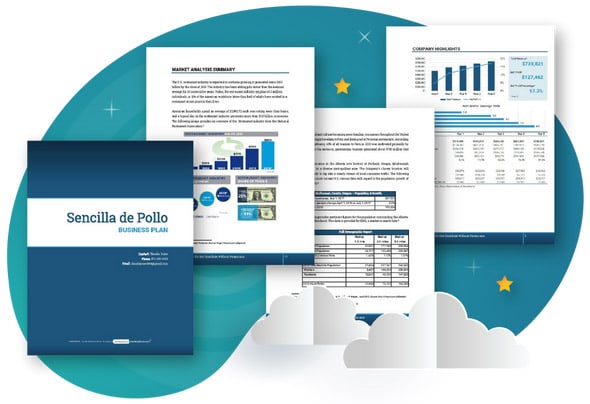
You should have a business plan before starting your own business, particularly if you're seeking start-up capital. The three components of a creating a solid business plan are as follows:
As far as the business plan itself goes, it should include the following sections:
Incorporating your business has many advantages including the protection of personal assets, as well as tax breaks and deductions. It's something to consider as you're starting your own business. As a start-up, you have multiple options when selecting what type of business you would like to form:
As previously noted, incorporating your business—as opposed to entering in a general partnership or starting a sole proprietorship—offers numerous benefits if you're starting your own business. These include:
When you're starting your own business, it's always important to plan for the worst case scenario. That's one reason why establishing corporate bylaws are important when starting your own business. Corporate bylaws dictate the internal structure of a business. They are incredibly different from company to company, but generally they encompass the following:
When creating your company's bylaws as you're starting your own business, it pays to be prudent and plan well. Draw them up as if the worst could happen—for instance, as if you and your business partner could have an eventual falling out. Remember, making promises with a business partner about the future of a company and each of your respective roles is meaningless in the eyes of the law. And beyond that, there are a myriad of variables that could compromise what was once said, particularly when you're in the beginning phases of starting your own business.
Creating bylaws for your business is simple. There are a variety of computer programs, as well as books that guide you through the process as you're starting your own business.
When you're starting your own business, you have two options in terms of securing the cash you need to launch: raising start up-capital or bootstrapping. If you decide to go the route of seeking start-up capital, you must determine what sort of funding you need. There are several sources for start-up investment to consider as you're starting your own business, which include:
Your other alternative for sourcing working capital as you're starting your own business is to bootstrap it. That means gathering the funds you need by dipping into your own personal assets, or by seeking them from friends and family.
Once your business is up and running, there are a variety of metrics that you should monitor to make sure things are running as you'd like them to. Metrics—or measurements—are fundamental to starting your own business, whether you're operating a coffee shop, retail store, or website. There are a huge range of metrics that you can use to measure how well things are going while starting your own business, and many are often times specific to what kind of business you're operating. Here are a few examples of measurements you can use as you're starting your own business:
The most important thing you can do as you're starting your own business is to pay attention to details. That means no matter how minor it may seem, you should establish ways to measure how well something is functioning, and what the cost is to you. If you have employees, tirelessly examine what a labor unit is worth to make sure that you're not spending too much on payroll. Constantly seek out ways to lower your per unit labor, as well as your cost of goods and all other operating expenses. Establish a "per buyer" economic, which means determining how much you're making off of each customer, and figuring out ways to boost that dollar amount. This is a work in progress, but is something you should figure out as you're starting your own business. Not only that, but as your business grows you will have to continue refining your metrics.