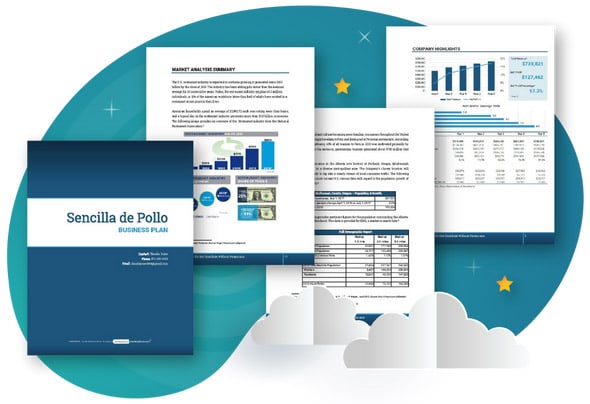
Is it your dream to open a restaurant? While starting a restaurant is exciting, there are numerous traps that many would-be restaurateurs fall in to. It may be a cliche, but it's true that restaurants are one of the most challenging types of businesses to launch. There are several reasons why that's true. One of the primary factors is the large operating costs associated with starting a restaurant business. Purchasing the equipment necessary to start a restaurant can cost thousands upon thousands of dollars alone. Food costs can also be incredibly high, and often times the profit margins are very low. That means restaurant owners typically have to sell a lot of food before they make a sizeable profit. In addition, most start-ups face stiff competition from existing cafes and restaurants.
Despite all that, starting a restaurant can be one of the most enjoying and fulfilling things you will ever do. That's why we've developed tips that can help give you a better shot at launching and operating a successful restaurant. We've pinpointed several areas where most first time restaurateurs tend to struggle most, and have developed tips to help you avoid some of the most common pitfalls. The main topics we'll cover on the following pages include:
When it comes to starting a restaurant, one of the first things you must determine is the menu. The first step is settling on what kind of cuisine you'd like to serve. Many entrepreneurs who are starting a restaurant have a background in a particular type of food, and thus little research is involved in making that decision. However, if you're uncertain what type of cuisine you'd like to offer, here are a few questions to help you determine that:
Once you settled on the type of food you plan to serve, the next step is to put together a menu. One of the most common mistakes many entrepreneurs who are starting a restaurant make is trying to do too much. Keep your menu relatively simple, and if possible try to use freshest ingredients available. This will not only increase the quality of your food, but fresh ingredients can often be had from a local source for a reasonable price. Another thing to keep in mind as you're starting your restaurant is that you should keep expensive items like foie gras or truffles to a minimum on your menu. These items automatically increase your operating cost substantially, and as we've mentioned before, the profit margins on food are often very low. The bottom line is that the lower you can keep your food costs, the better.
One of the largest costs associated with starting a restaurant is purchasing equipment. Commercial refrigerators, stoves, ovens, deep fryers, and other kitchen equipment can be incredibly expensive. Here are a few tips for keeping those costs down when starting a restaurant:
Having the right ambience in your restaurant can make the difference between attracting customers and driving them away. But how do you know what the appropriate atmosphere is before you've even gotten to starting a restaurant? While obviously ambience differs from restaurant to restaurant depending on the type of cuisine they serve and their price point, there are a few basic tips that hold true no matter what your restaurant is like. Here are some things to think about as you consider starting a restaurant:
Do you need a business plan? Call the number at call the number at the top of the page or fill out the contact form to contact a business plan professional today.